
Epoxy resins are widely used as key matrix materials in advanced composites for aerospace, wind turbine blades, and other fields because of their high strength, high modulus, corrosion resistance, and good processing adaptability. With the continuous improvement of carbon fiber performance, higher requirements have been placed on the strength, modulus, toughness, and recyclability of resin matrices in composite materials. Although conventional supramolecular modification strategies can enhance epoxy resins mechanical performance, they are often limited by local aggregation, interfacial incompatibility, and stress concentration, making it difficult to achieve simultaneous improvement in multiple key mechanical properties. Meanwhile, highly crosslinked thermosetting networks generally suffer from poor degradation and recyclability.
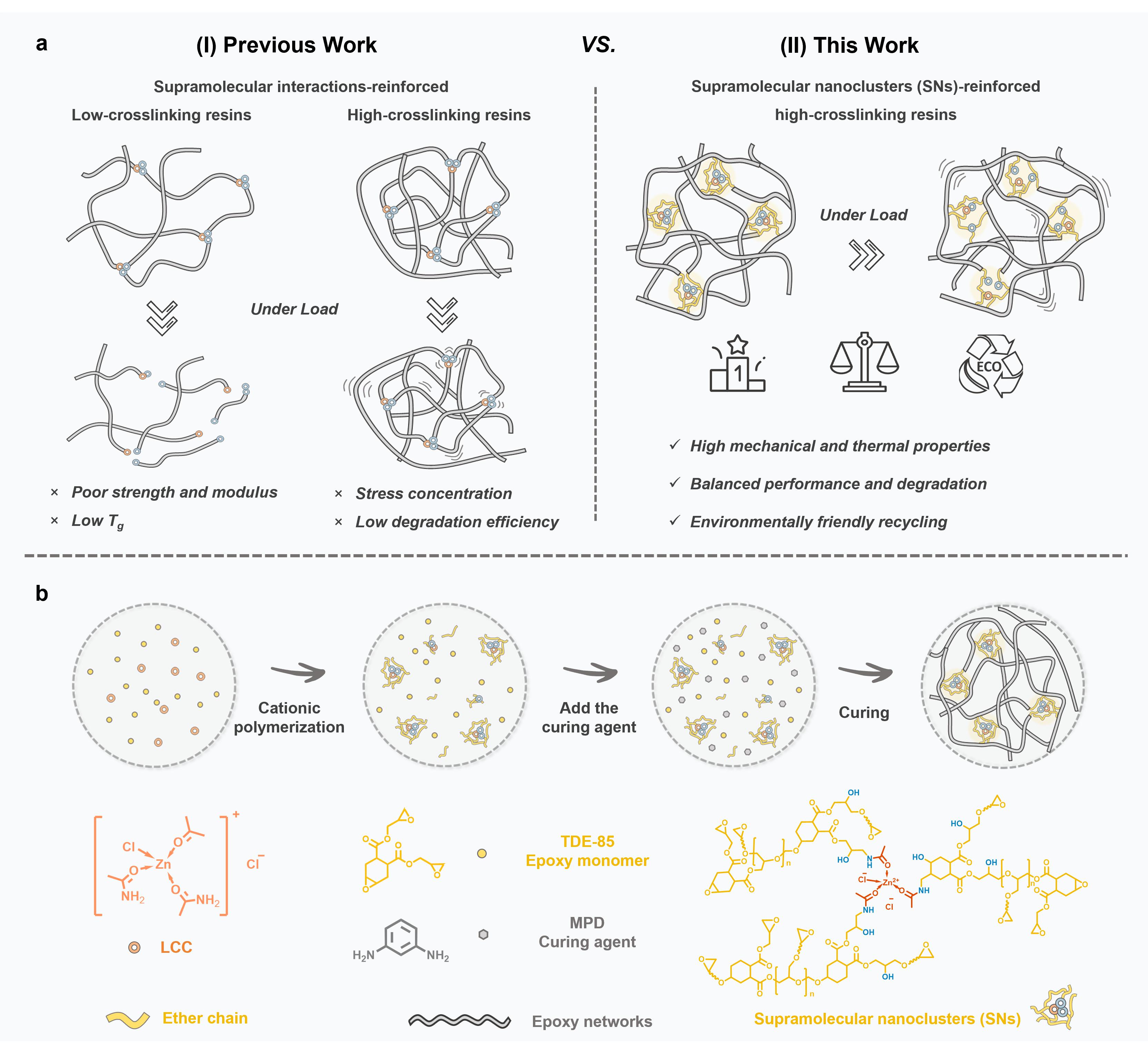
Figure 1. Design and synthesis of the epoxy resin network.
In response to these challenges, the research group of Prof. Jun Hu from the BUCT Advanced Innovation Center for Soft Matter Science and Engineering proposed a “supramolecular nanocluster” reinforcement strategy (Figure 1). They synthesized a liquid coordination complex (LCC) from ZnCl2 and acetamide. The Zn2+ Lewis acid centers and acetamide ligands in LCC jointly promote the cationic ring-opening polymerization of epoxy monomer TDE-85 and the amide–epoxy addition reaction. This process produced supramolecular nanoclusters (SNs), containing polyether segments, metal coordination interactions, and hydrogen bonding (Figure 2a-b). The obtained SNs are yellow, transparent, and viscous liquids, featuring nanoscale aggregated structures and abundant supramolecular interactions (Figure 2c-j). These characteristics provide a structural basis for reinforcing highly crosslinked epoxy resins and enabling their degradation and recycling.
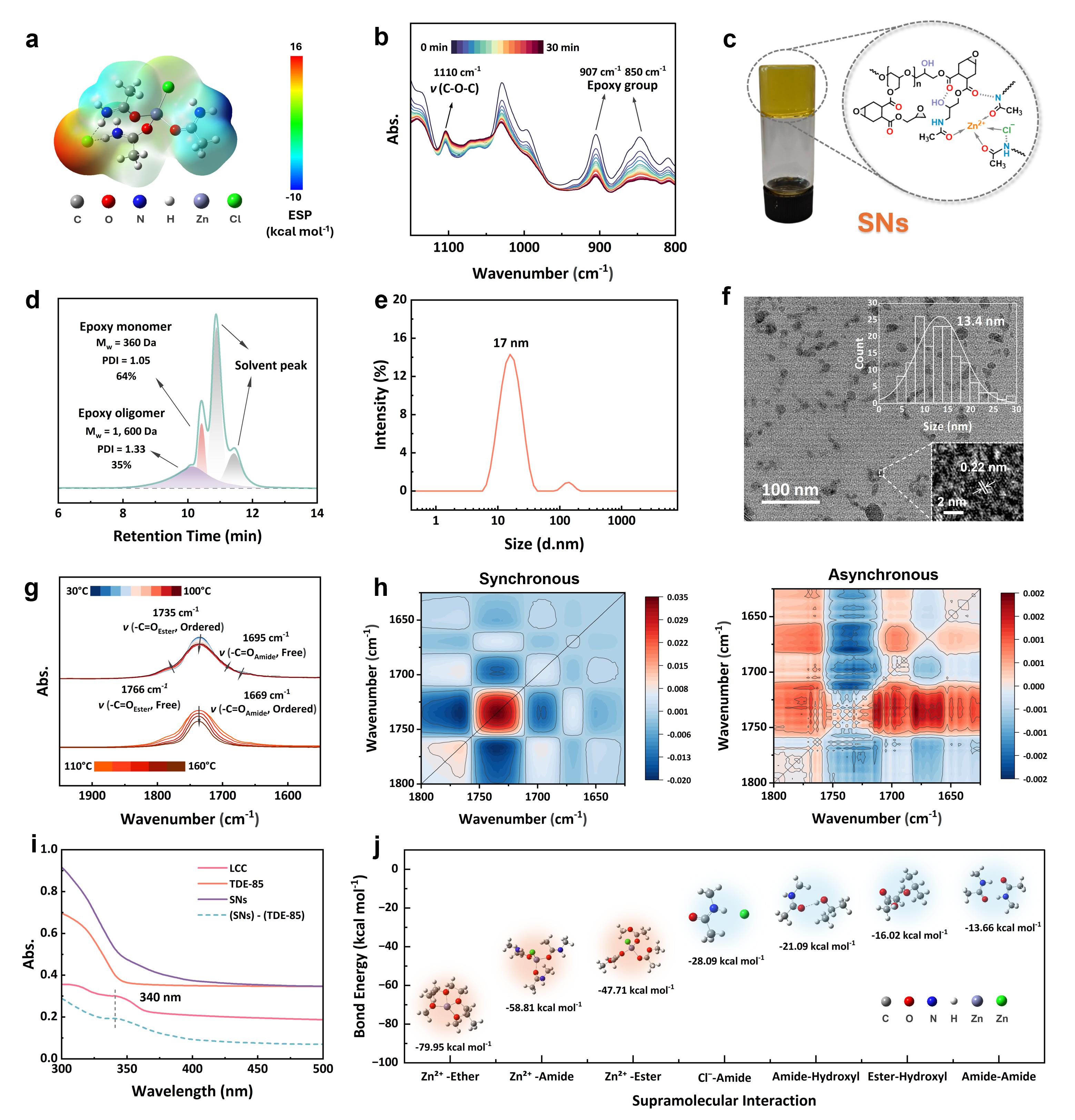
Figure 2.Design, synthesis, and structural characterization of SNs.
The research team further introduced different amounts of SNs into the highly crosslinked TDE-85/m-phenylenediamine (MPD) system to prepare a series of SNs-reinforced epoxy resins. Among them, EP-SN-15 exhibited the best overall performance, with a tensile strength of 134 MPa, tensile modulus of 4.9 GPa, flexural strength of 230 MPa, flexural modulus of 5.0 GPa, and a glass transition temperature (Tg) of 166°C. Its fracture toughness was also significantly improved (Figure 3a-e). This strategy can also be extended to different epoxy monomers and curing agents, demonstrating good versatility and application potential (Figure 3f).
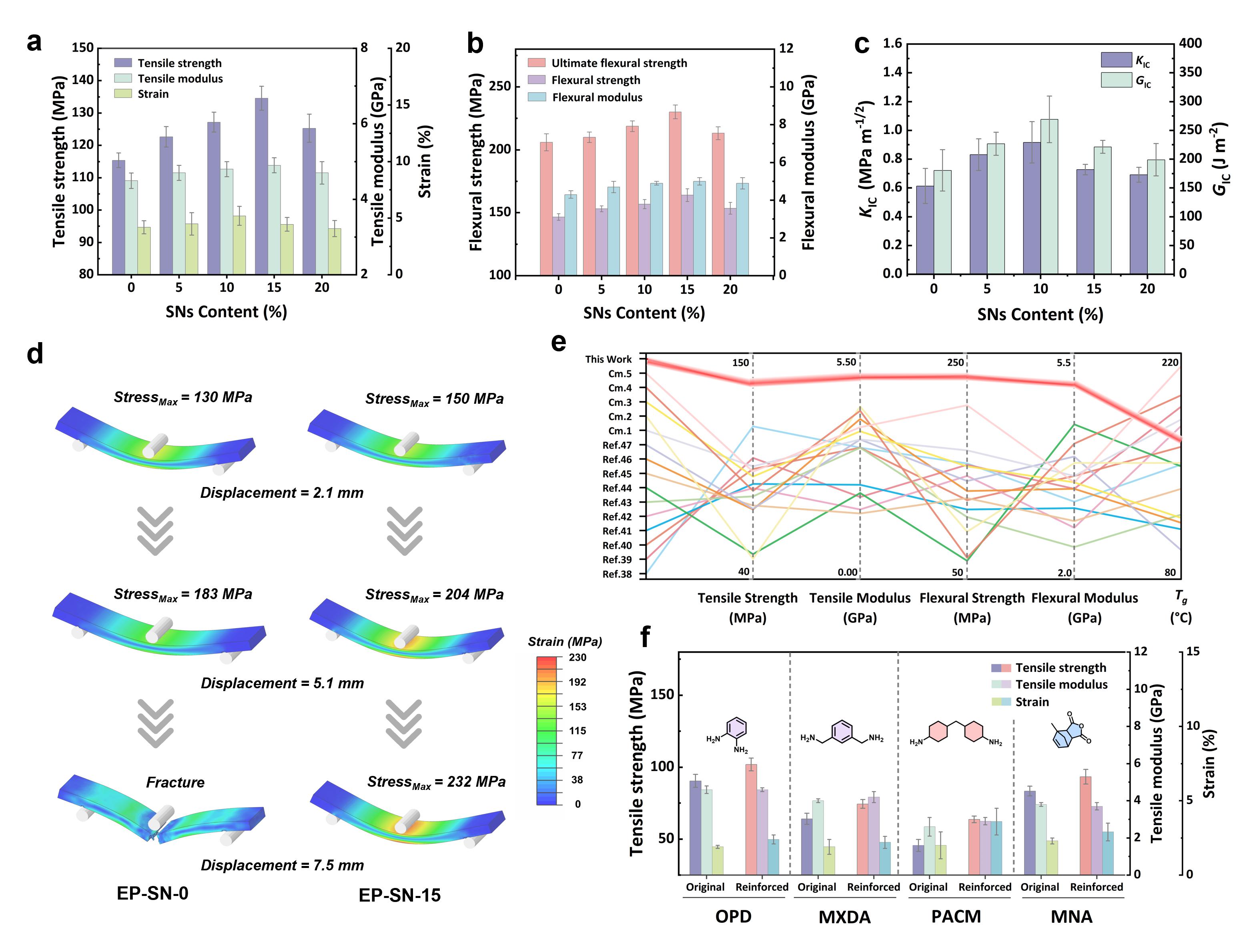
Figure 3.Mechanical and thermal properties of SNs-reinforced epoxy resins.
To clarify the reinforcement mechanism, they designed a control sample, EP-SN-LCC, in which supramolecular interactions were directly introduced. The results showed that although EP-SN-LCC exhibited a higher modulus andTg, its tensile strength, elongation at break, and impact strength were all lower than those of EP-SN-0 and EP-SN-15. This indicates that simply introducing rigid supramolecular aggregates can easily lead to interfacial incompatibility and stress concentration (Figure 4a). In contrast, the SNs in EP-SN-15 form more moderate local reinforcing regions within the highly crosslinked network. The rigid coordination structures improve stiffness and load transfer, while the flexible polyether interfacial layer relieves stress concentration and promotes energy dissipation. As a result, high strength, high modulus, and enhanced toughness are achieved simultaneously (Figure 4b-j).
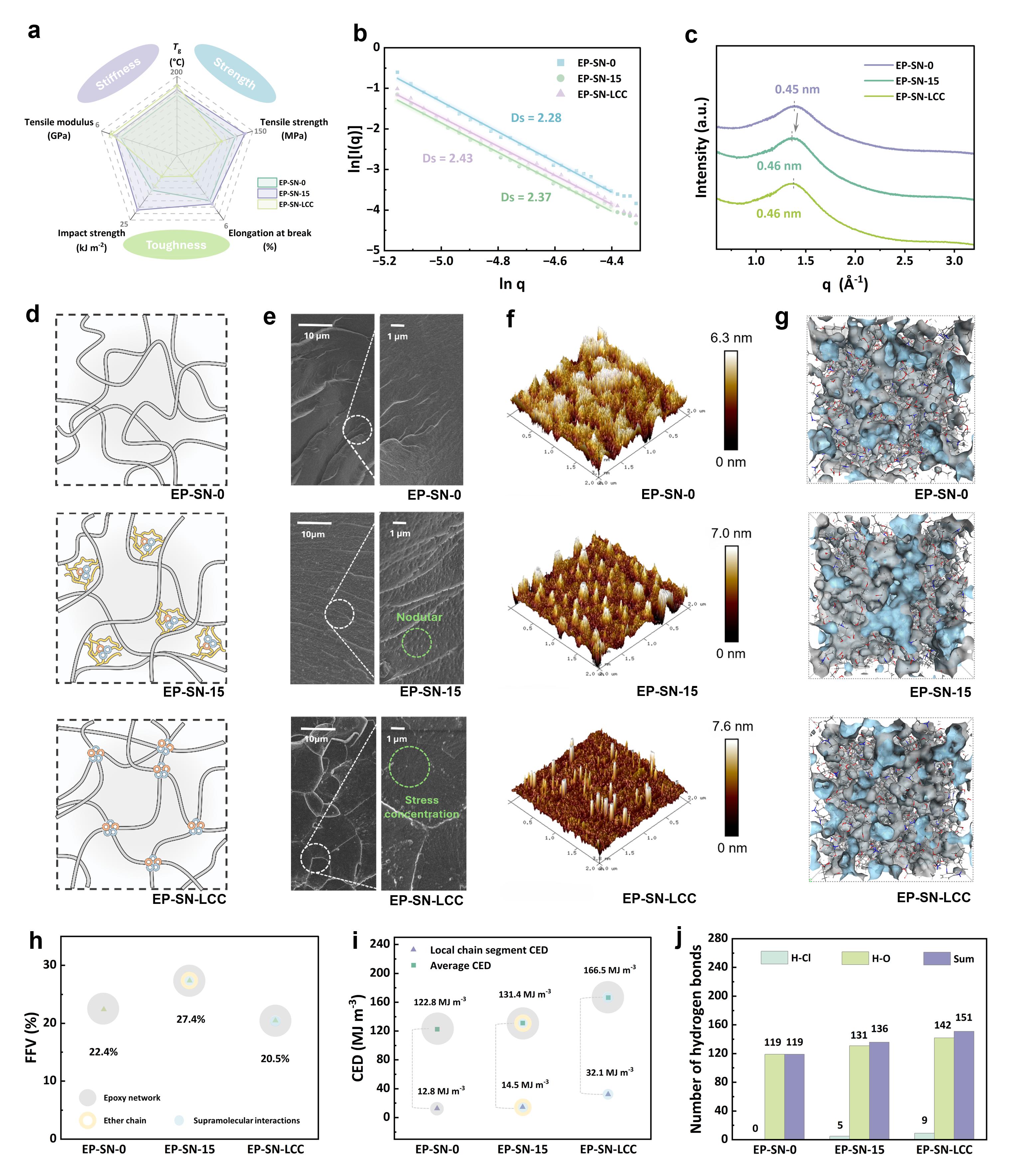
Figure 4. Reinforcement mechanism of SNs-reinforced epoxy resins.
Based on the excellent performance of EP-SN-15, they further used it to prepare a carbon fiber reinforced composite, CFRP-SN-15. The results showed that, compared with the unmodified resin, CFRP-SN-15 exhibited improved tensile strength, flexural strength, and flexural modulus (Figure 5-c). More importantly, the Zn2+ sites embedded in the SNs can act as in situ catalytic centers to promote ester bond hydrolysis in the resin network, enabling complete degradation of EP-SN-15 under hydrothermal conditions at 170°C within approximately 6 h. After degradation, clean carbon fibers can be recovered (Figure 5d-e). Meanwhile, the degraded oligomers are rich in hydroxyl and carboxyl groups and show good water solubility and film-forming ability. They can be further used as a waterborne carbon fiber sizing agent to improve fiber wettability and interfacial bonding (Figure 5f-i).
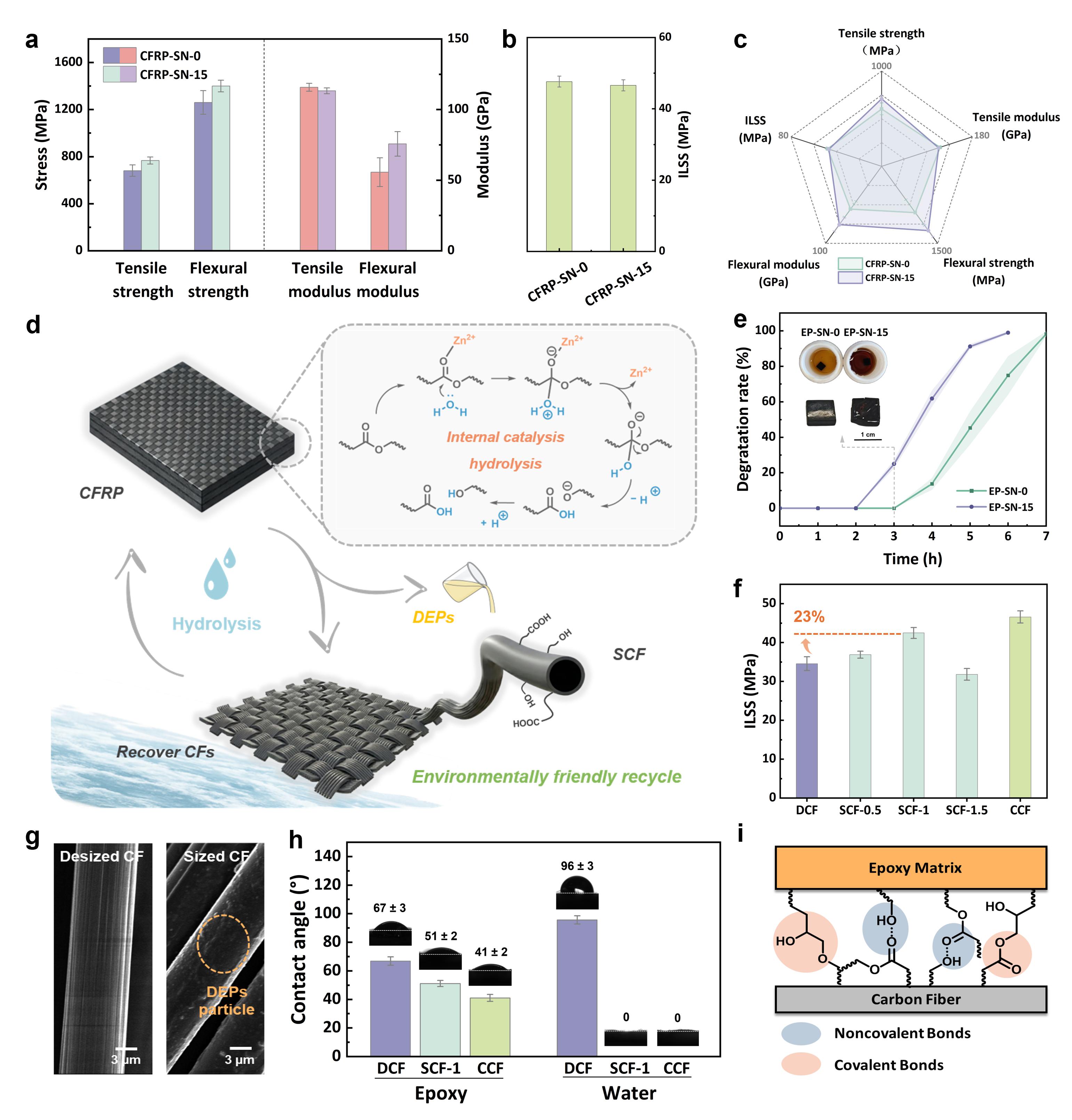
Figure 5. Mechanical performance and recycling of SNs-reinforced carbon fiber reinforced composites.
In summary, this study constructed supramolecular nanoclusters combining rigid supramolecular interactions and flexible polyether segments, thereby achieving simultaneous improvements in the strength, modulus, toughness, and recyclability of highly crosslinked epoxy resins. This strategy provides a new approach to addressing the trade-off between performance enhancement and reduced recyclability in high-performance thermosetting epoxy resins. It also offers a feasible route for the green manufacturing, degradation-based recycling, and high-value utilization of degradation products in advanced carbon fiber composites.
The related work, titled “Supramolecular Nanoclusters Enable High-Performance and Recyclable Epoxy Resins,” was published inAdvanced Materials. Lei Xu, a master student from the BUCT Advanced Innovation Center for Soft Matter Science and Engineering, is the first author. Prof. Jianhua Tang from Sinopec (Shanghai) Petrochemical Research Institute Co., Ltd., Prof. Baoyan Zhang from the AVIC Manufacturing Technology Institute, and Prof. Jun Hu from the BUCT Advanced Innovation Center for Soft Matter Science and Engineering are the co-corresponding authors. This research was supported by Beijing Natural Science Foundation and the Fundamental Research Funds for the Central Universities. The authors gratefully acknowledge all collaborators for their contributions to this work.
Article information:Lei Xu, Zihan Zhao, Zhaohua He, Ousheng Zhang, Jianhua Tang,* Baoyan Zhang,* Jigang Yang, Jun Hu.* Supramolecular nanoclusters enable high-performance and recyclable epoxy resins.Adv. Mater.2026, e74132.
Original article link: https://advanced.onlinelibrary.wiley.com/doi/10.1002/adma.74132

