
Gel materials hold great application prospects in flexible electronics, soft robotics and biomedicine, where reliable load-bearing capacity and dimensional stability are essential. Nevertheless, conventional gels are inherently limited by the trade-off between strength, stiffness and toughness. For instance, increasing the crosslinking density can effectively enhance the strength and stiffness of gels, but it shortens molecular segments and reduces fracture energy, thereby compromising toughness. Therefore, integrating multiple reinforcement mechanisms to achieve synergistic effects and comprehensively improve the mechanical properties of gels is of great significance for the development of gel materials.
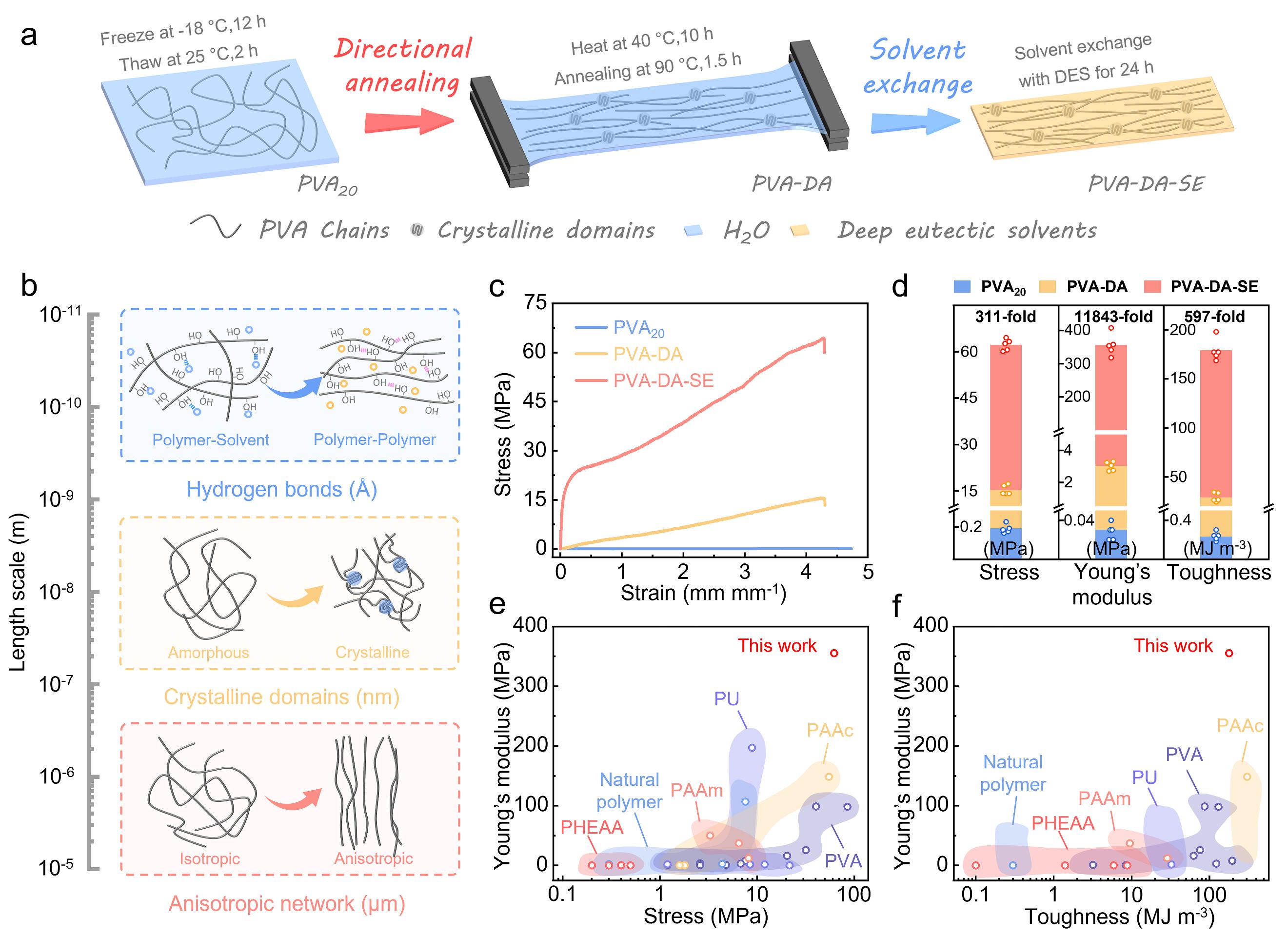
Figure 1. Design, preparation and mechanical properties of eutectogels.
To address these challenges, the research group of Prof. Jun Hu from the BUCT Advanced Innovation Center for Soft Matter Science and Engineering proposed a multi-scale regulation strategy combining directional annealing with deep eutectic solvent (DES)-mediated solvent exchange, enabling precise structural control across different length scales (Figure 1). Specifically, this strategy modulates hydrogen bonding at the molecular scale, induces crystalline domains at the nanoscale, and constructs oriented networks at the microscale. Using this approach, they fabricated the high-performance anisotropic polyvinyl alcohol (PVA)-based eutectogel. Along the orientation direction, the material achieves a tensile strength of 62.2 ± 1.8 MPa, a Young’s modulus of 355.3 ± 32.9 MPa, and a toughness of 179.0 ± 11.1 MJ m-3. It also exhibits excellent tear resistance and crack propagation resistance.
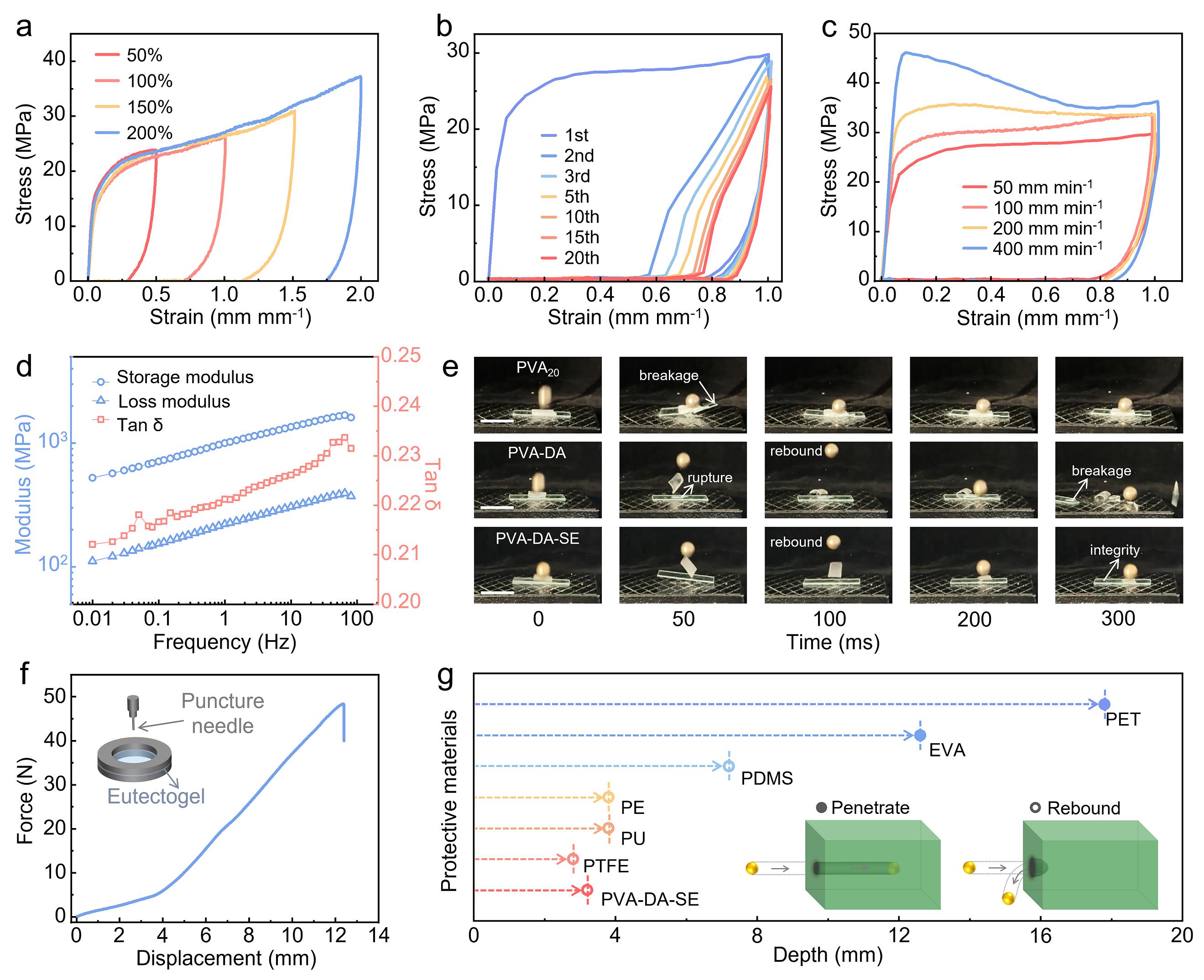
Figure 2. Energy dissipation and impact resistance of eutectogels.
Benefiting from the synergistic effect of the multi-scale structures, the eutectogel exhibits outstanding energy dissipation capability (Figure 2). Under external force, energy is dissipated through the combined action of hydrogen bond rupture at the molecular scale, deformation of crystalline domains at the nanoscale, and enhanced molecular chain orientation together with interchain friction at the microscale. Cyclic tensile tests confirm the favorable energy dissipation performance for eutectogel. Drop ball and puncture tests verify its excellent impact resistance, and dynamic impact tests further demonstrate that its protective performance surpasses that of several commercial materials. Combining high stiffness, toughness, and damping capacity, the eutectogel can efficiently absorb impact energy, showing promising potential for impact protection applications.
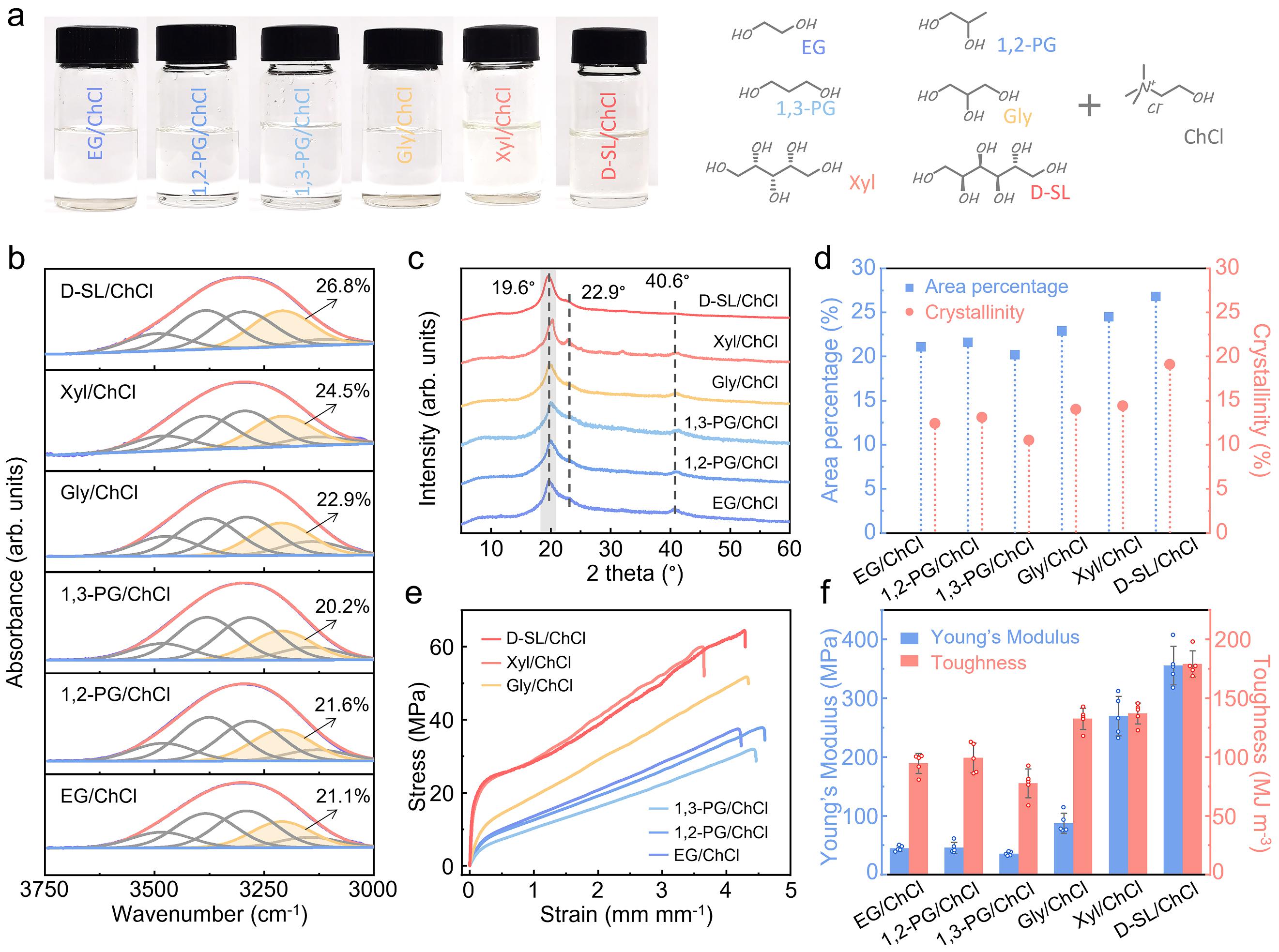
Figure 3. Universality of the multi-scale regulation strategy
This multi-scale strategy is universally applicable to various DES systems. A series of high-performance anisotropic eutectogels were prepared via solvent exchange between directionally annealed hydrogels and different DES, which were synthesized using choline chloride and various polyols. As shown in Figure 3, the carbon chain length, hydroxyl group number and isomeric structure of the polyols alter solvent affinity, thereby regulating the content of intermolecular hydrogen bonds and crystallinity of PVA. Correspondingly, the tensile strength, modulus and toughness of the materials are improved progressively. Moreover, the strategy can be extended to organic solvents and ionic liquid systems, and the resulting gels also present superior mechanical performance. These findings clearly demonstrate the excellent versatility of this strategy.
In summary, this work develops a multi-scale strategy that integrates directional annealing and DES-mediated solvent exchange to prepare high-strength and high-toughness anisotropic PVA eutectogels. The synergistic multi scale structures effectively overcome the traditional trade off between strength, stiffness, and toughness in polymer gels, providing a valuable reference for the design of high performance gel materials.
The related work, titled “Multi-scale structural engineering enables ultra-strong and tough eutectogels” was published in Nature Communications. The first author is Ning Tang, doctoral students from the BUCT Advanced Innovation Center for Soft Matter Science and Engineering. Assoc. Prof. Hao Zhang from Qingdao University of Science and Technology, Prof. Ousheng Zhang from Sinopec (Shanghai) Petrochemical Research Institute Co., Ltd., and Prof. Jun Hu are the co-corresponding authors. This research was supported by Beijing Natural Science Foundation and the Fundamental Research Funds for the Central Universities. The authors gratefully acknowledge all collaborators for their contributions to this work.
Article information:
Ning Tang, Yanlong Yin, Hao Zhang,* Jianhua Tang, Ousheng Zhang,* Jigang Yang, Jun Hu*. Multi-scale structural engineering enables ultra-strong and tough eutectogels. Nature Communications (2026) https://doi.org/10.1038/s41467-026-74246-y.
Original article link: https://www.nature.com/articles/s41467-026-74246-y.

