
Near-infrared organic photodetectors (NIR OPDs) hold great promise for applications such as wireless optical communication, real-time health monitoring, and night vision. Currently, OPDs based on acceptor-donor-acceptor (A-D-A) type non-fullerene acceptors (NFAs) exhibit remarkable performance. However, the exocyclic vinyl bridges between the donor and acceptor units are unstable and prone to degradation under light, oxygen, heat, or alkaline conditions, limiting the long-term stability and practical application of the materials and devices.
Today, Prof. Yao Liu’s research team has successfully constructed a novel non-fullerene acceptor platform, ITC2X, which is free of exocyclic vinyl bridges, through an original "terminal engineering" strategy. This approach fundamentally solves the long-standing stability challenges of organic photodetectors at the molecular level, achieving comprehensive improvements in NIR detection sensitivity, response speed, and long-term stability. Moving beyond traditional "repair" approaches, the team proposed an innovative "terminal reconstruction" strategy – not reinforcing the fragile linkage, but removing it entirely at the source. Through this original terminal engineering strategy, the team designed and synthesized a new class of exocyclic-vinyl-free non-fullerene acceptor platform, ITC2X, with the core molecule being 2-(2-bromo-3-cyano-8H-indeno[2,1-b]thiophen-8-ylidene)malononitrile (ITC2H). This platform not only completely eliminates the vulnerable exocyclic vinyl bonds found in traditional NFAs but also synergistically enhances electron affinity, molecular packing order, spectral response range, and stability through the introduction of multi-cyano and halogen substitutions.
Compared with the classic non-fullerene acceptor BTP-IC2H, the ITC2H-terminated derivative BTP-ITC2H exhibits exciting synergistic advantages: significantly enhanced chemical and photostability, greatly improved crystallinity, a broadened and red-shifted absorption spectrum, optimized miscibility with the polymer donor PTB7-Th, and reduced reorganization energy during photoconversion. These advantages collectively shape an optimized nanoscale morphology – more ordered molecular packing, lower trap-state density, and more efficient charge transport pathways – ultimately achieving a global performance enhancement from the molecular to the device level.
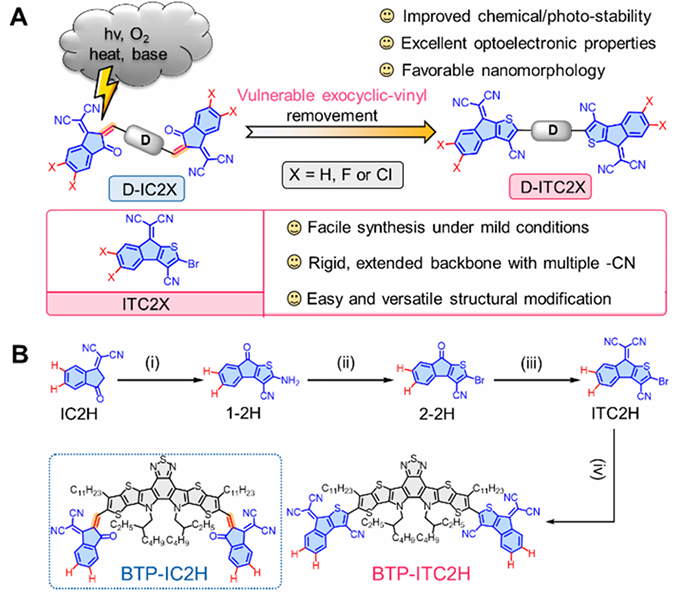
Figure 1. Molecular design and synthesis
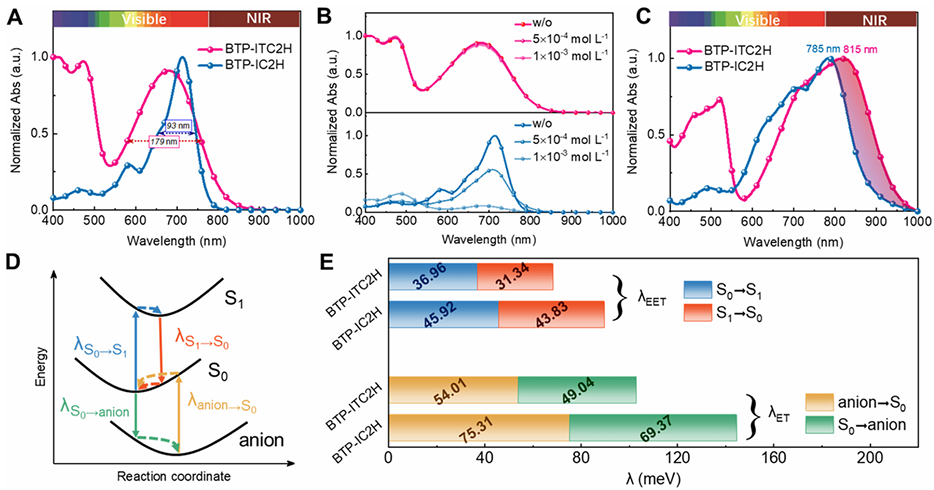
Figure 2. Photoelectric characterization
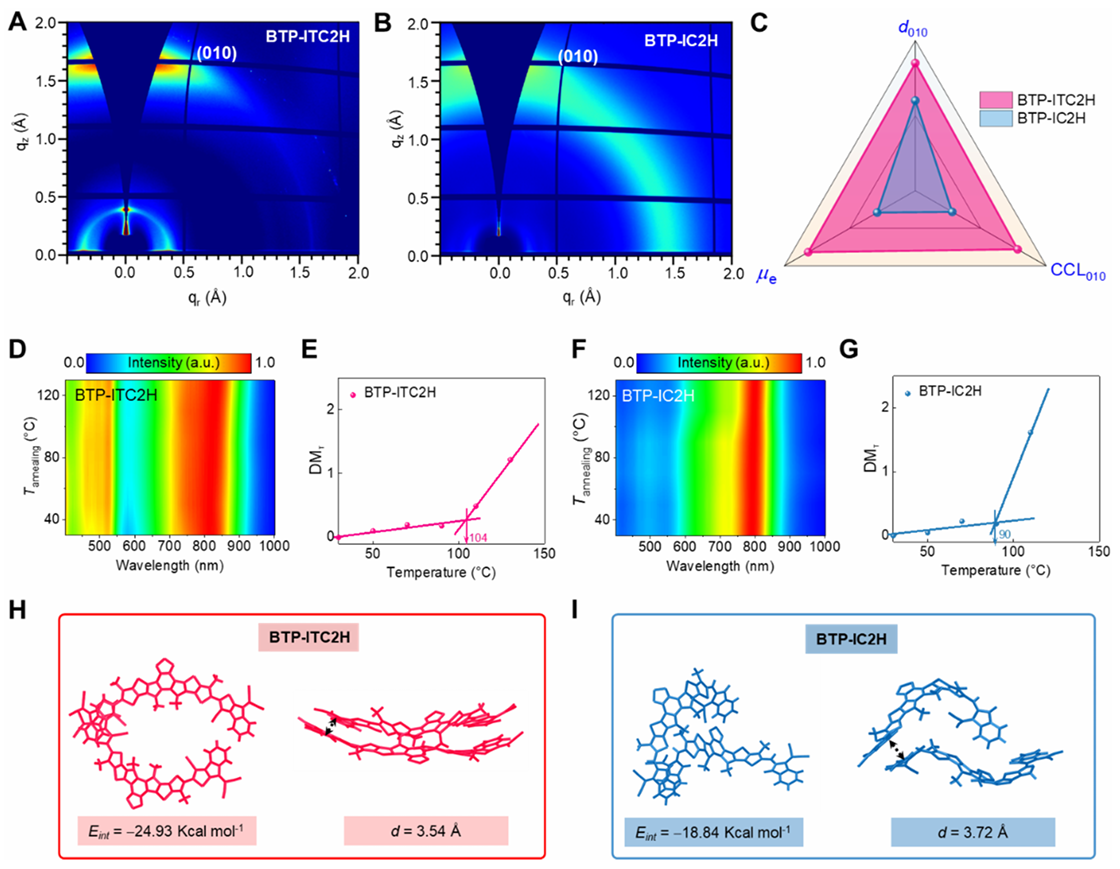
Figure 3. Molecular packing order
In terms of device performance, the self-powered organic photodetector based on PTB7-Th:BTP-ITC2H delivers impressive results: a dark current density as low as 3.3×10⁻¹¹ A cm⁻² in the 310–910 nm range, a noise-limited specific detectivity exceeding 10¹³ Jones, a linear dynamic range as high as 141 dB, a cutoff response frequency exceeding 1 MHz, and excellent thermal stability. Notably, the device achieves a specific detectivity exceeding 10¹⁴ Jones in the 660–870 nm range, with a peak value of 1.20×10¹⁴ Jones – more than twice that of the reference device – and overall performance surpassing that of commercial silicon detectors.
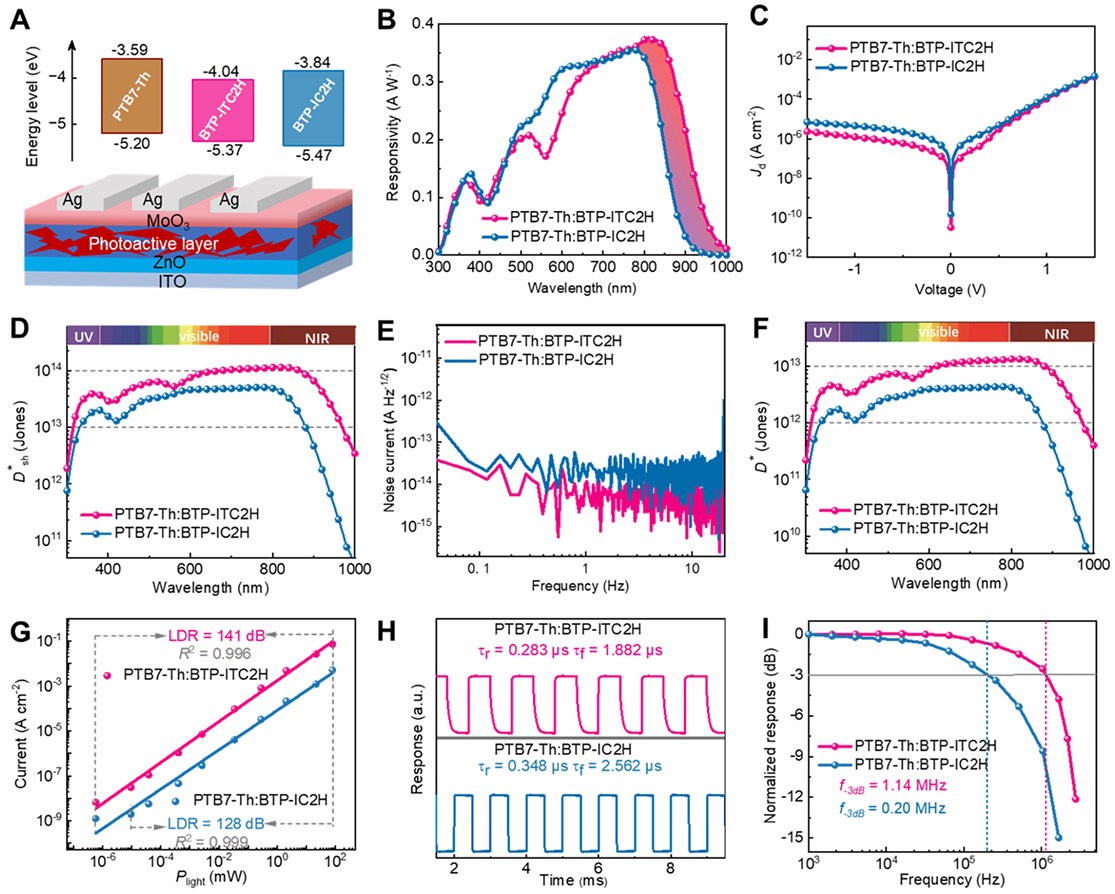
Figure 4. Comprehensive performance comparison of organic photodiodes based on PTB7-Th:BTP-IC2H and PTB7-Th:BTP-ITC2H
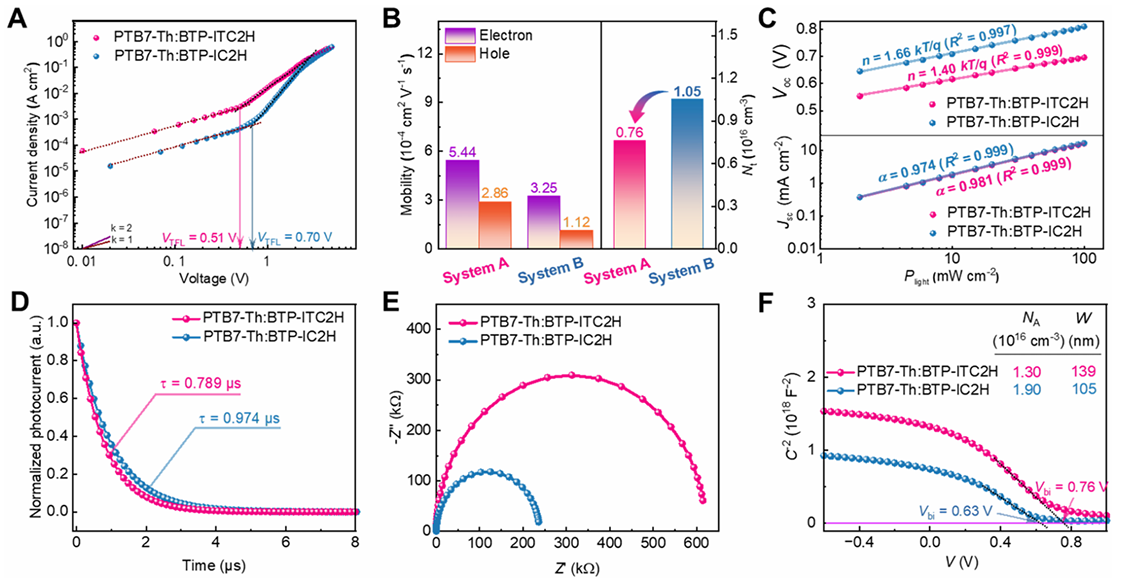
Figure 5. Charge carrier dynamics
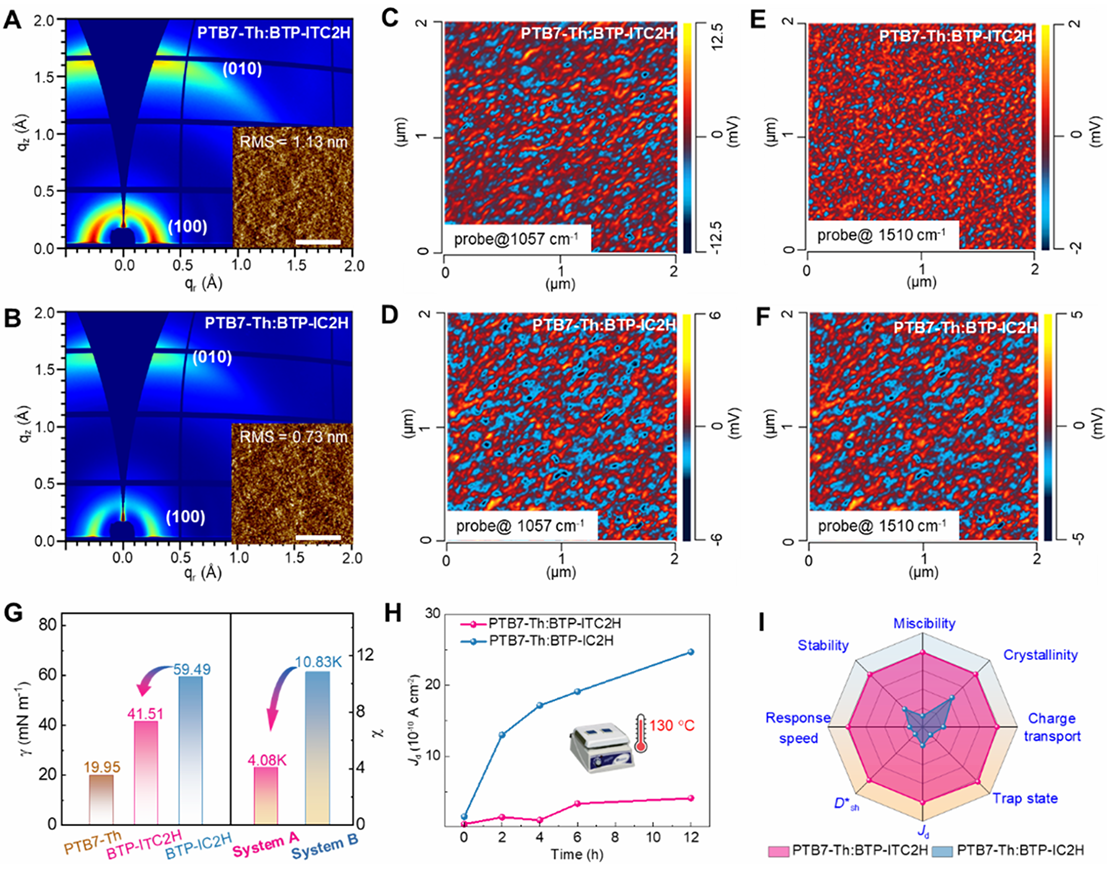
Figure 6. Morphology, stability, and performance parameter analysis
To demonstrate the generality of this design strategy, the research team performed halogen modifications on ITC2H, successfully synthesizing ITC2F and ITC2Cl derivatives. When combined with the strong electron-donating core CTPT, the spectral response was successfully extended to 1300 nm, maintaining a detectivity close to 10¹³ Jones at 1200 nm with a dark current density as low as 3.87×10⁻¹¹ A cm⁻². This breakthrough enables the platform to rival traditional inorganic detectors in short-wave infrared detection.
The team also systematically validated the practical application potential of this platform. In biological health monitoring, the photodetector based on PTB7-Th:BTP-ITC2H successfully achieved precise heart rate signal acquisition by real-time monitoring of human fingers under 900 nm NIR light irradiation. The heart rates of two volunteers were measured at approximately 85 and 87 beats per minute, respectively, with errors within 6% compared to commercial sphygmomanometers, verifying the feasibility of this device for wearable health monitoring applications. In optical communication, the photodetector based on PTB7-Th:BTP-ITC2F achieved error-free transmission of 1440 bits of data at a transmission rate of 35 bit/s. In short-wave infrared imaging, a three-component device based on CTPT-ITC2F successfully captured clear images of the letters "O", "P", and "D", further demonstrating the platform’s potential in high-end fields such as night vision imaging and machine vision.
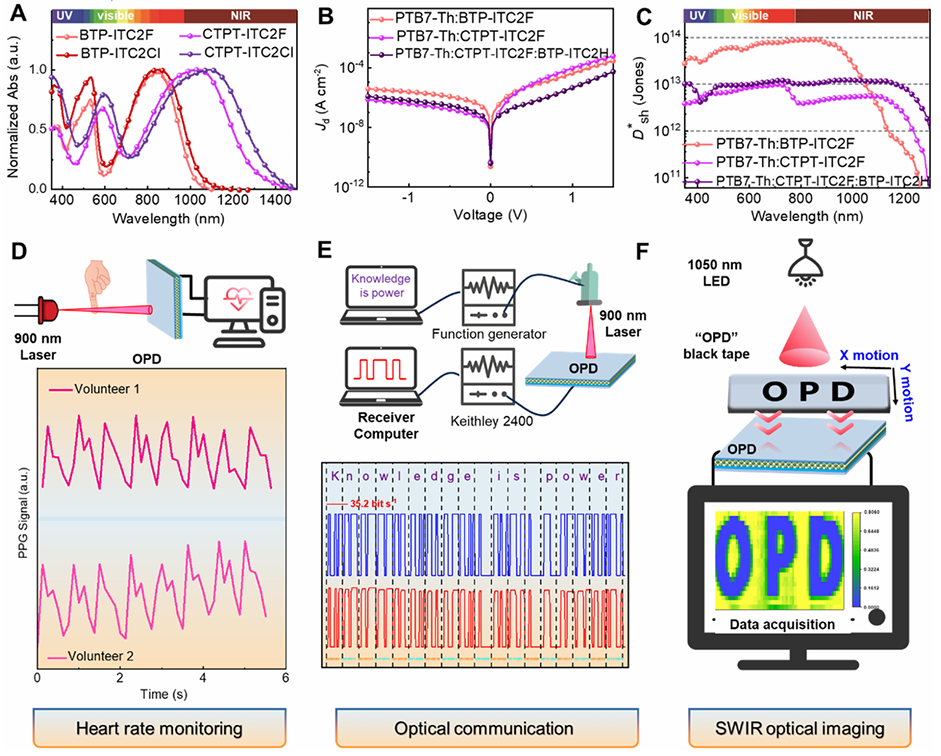
Figure 7. Expandability of ITC2X and application as a NIR optical powder dosimeter
The ITC2X molecular engineering paradigm proposed in this study not only fundamentally resolves the long-standing instability of exocyclic vinyl bonds in A-D-A type non-fullerene acceptors, but more importantly reveals the profound structure–property relationship among "molecular structure, stability, and performance." The synergistic optimization of multiple dimensions such as molecular crystallinity, absorption spectrum, reorganization energy, and miscibility through terminal engineering provides a new blueprint for the rational design of next-generation high-performance, high-stability organic optoelectronic devices.
This research result was published in the Journal of the American Chemical Society under the title "Rational Terminal Engineering Enabled Vulnerable Exocyclic-Vinyl-Free Nonfullerene Acceptors for Sensitive and Durable Near-Infrared Organic Photodetectors." The first authors of the paper are Master’s students Boxuan Wang, Guoxin Han, Yashi Luo, and Bo Yan from the Soft Matter Science and Engineering Advanced Innovation Center at Beijing University of Chemical Technology. The corresponding authors are Prof. Yao Liu, Prof. Wenxu Liu from Beijing University of Chemical Technology, and Dr. Lulu Fu from Tianjin University of Science and Technology. This work was supported by the National Natural Science Foundation of China and other funding sources.
Article information:
B. Wang, G. Han, Y. Luo, et al. Rational Terminal Engineering Enabled Vulnerable Exocyclic-Vinyl-Free Nonfullerene Acceptors for Sensitive and Durable Near-Infrared Organic Photodetectors. J. Am. Chem. Soc. 2026, 148, 1197-1209. DOI: 10.1021/jacs.5c17476
Original article link: https://doi.org/10.1021/jacs.5c17476

